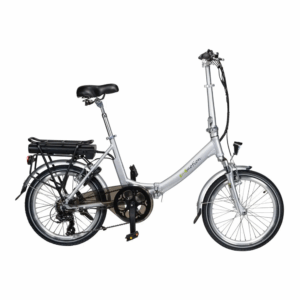
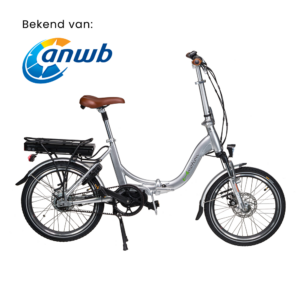
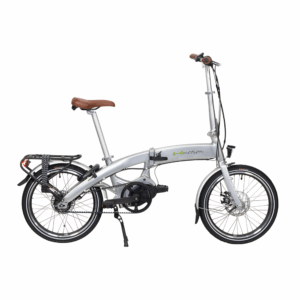
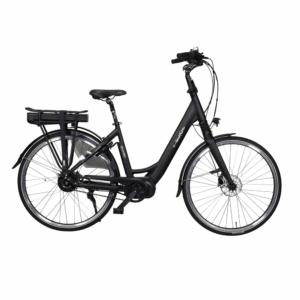
Many people search online for an “electric folding bike test” hoping to find a clear-cut winner. In practice, however, that is difficult: every test is based on the preferences and specific usage of the reviewer, which often differ significantly from your own. The most reliable test is therefore the one you conduct yourself during a test ride. In this article, you will learn exactly what to look for, enabling you to thoroughly assess any electric folding bike you are considering.
Why an online test does not tell you the whole story
Specifications such as range, motor power, and weight provide an indication, but they reveal very little about how a bike actually feels to ride. Two bikes with virtually identical specifications can perform completely differently depending on the motor tuning, frame balance, and quality of the folding mechanism. A written review simply cannot convey these nuances. If you truly want to know whether a bike is right for you, testing it yourself is the only way to be certain.
Test 1: acceleration and responsiveness
During your test ride, pay close attention to how the bike responds the moment you begin pedaling. Does the pedal assist feel immediate and smooth, or is there a noticeable delay before the motor engages? With a mid-drive motor, you can expect a gradual, natural power delivery. With a rear hub motor, the assistance may feel slightly more direct. Neither is inherently better, but it comes down to what you personally prefer.
Test 2: stability and handling balance
During the test ride, avoid riding only in a straight line; test how the bike handles corners and low speeds as well, such as when starting from a standstill. Notice whether the bike feels stable or if the center of gravity seems high or low. This varies by model and depends on where the motor and battery are positioned within the frame.
Test 3: the assistance levels
Virtually every electric bike features multiple pedal assist levels. Test every mode during your ride and note whether the progression between levels feels intuitive. Some bikes feature large jumps between settings, leaving you constantly switching between too little and too much assistance. A well-tuned bike provides a smooth progression, ensuring you get exactly the level of support you need at any given moment.
Test 4: folding and unfolding
An electric folding bike test is incomplete without testing the folding mechanism itself. Fold and unfold the bike several times consecutively, preferably without assistance from the salesperson. Note how much effort the actions require, whether the bike locks firmly into place in both positions, and whether there is any play or rattling. This is a feature you will use daily, making it well worth taking extra time to evaluate.
Test 5: weight and ease of lifting
Lift the bike during your test, for example as if loading it into a vehicle or carrying it up stairs. A bike that seems light on paper can still be difficult to lift in practice due to how the weight is distributed. Consider whether you will need to lift the bike regularly and whether the weight is manageable for you.
Test 6: controls and display
Examine the handlebar controls and display during the ride as well. Are the buttons intuitive to operate, even when wearing gloves? Is the information on the display—such as speed and remaining battery range—clearly legible in bright sunlight? This may seem like a minor detail, but it is something you will interact with constantly during daily use.
Test 7: motor noise
Pay close attention to the sound of the motor while riding. A high-quality motor is barely audible and operates smoothly in tandem with your pedaling cadence. A distinct buzzing or pulsing noise can indicate less refined tuning.
Summary: key factors to evaluate in your own test
- Motor responsiveness and smoothness during acceleration
- Stability and balance when cruising and cornering
- Intuitive progression between assistance levels
- Ease of use and solidity of the folding mechanism
- Weight and how comfortably the bike can be lifted
- Display clarity and ease of control operation
- Motor noise level while riding
What can you actually learn from online tests and specifications?
While a test ride is indispensable, specifications and reviews can certainly help narrow down your options beforehand. Use them to create a shortlist of two or three models whose wheel size, motor, and battery capacity match your intended use, and then test those models yourself. This approach combines the efficiency of preliminary research with the dependability of firsthand experience.
Conclusion: the best test is your own test ride
An online electric folding bike test can serve as a helpful starting point, but it can never replace your own firsthand experience. By deliberately paying attention to acceleration, balance, folding convenience, weight, and controls during a test ride, you will gain far more reliable insight than any review list could ever provide.
Ready to test an electric folding bike yourself at e-4motion?
At e-4motion, you can thoroughly test various electric folding bike models for yourself, allowing you to choose based on your own firsthand experience. Explore our full range of electric folding bikes in our online shop, and visit us for a test ride in Boskoop or Almere. Ellery and Danny will be delighted to assist you and provide expert advice throughout your test.